Running an e-commerce company today is not just about selling products online. Behind every successful online brand is a well-structured digital finance plan that supports daily operations and long-term growth. Without clear financial planning, even high-traffic stores can face instability.
A strong digital finance plan helps e-commerce businesses stay organized, profitable, and prepared for change in an increasingly competitive market.
What Is a Digital Finance Plan in E-Commerce?
A digital finance plan outlines how an electronic commerce business manages money using digital tools and systems. It connects payments, expenses, reporting, forecasting, and compliance into a single framework.
A solid plan typically includes:
-
Cash flow management systems
-
Digital payment processing
-
Expense tracking and budgeting
-
Financial reporting and forecasting
-
Risk and fraud management

e-commerce company
This structure allows an e commerce business to operate with clarity and control.
Cash Flow Control Is Critical for Online Businesses
Cash flow is the backbone of every online commerce business. Sales may look strong, but without proper cash flow management, businesses can struggle to pay suppliers, run ads, or manage inventory.
A digital finance plan helps by:
-
Tracking incoming and outgoing funds in real time
-
Identifying cash shortages early
-
Planning for seasonal sales fluctuations
-
Ensuring timely payments and settlements
Consistent cash flow keeps operations running smoothly.
Digital Payments Improve Financial Efficiency
Modern e-commerce companies rely heavily on digital payment systems. These systems influence customer experience and financial performance at the same time.
Benefits of optimized digital payments include:
-
Faster transaction settlements
-
Reduced manual accounting work
-
Improved checkout experience
-
Clear and accurate financial records
A digital finance plan ensures payment systems are reliable, secure, and scalable.
Financial Data Drives Smarter Decisions
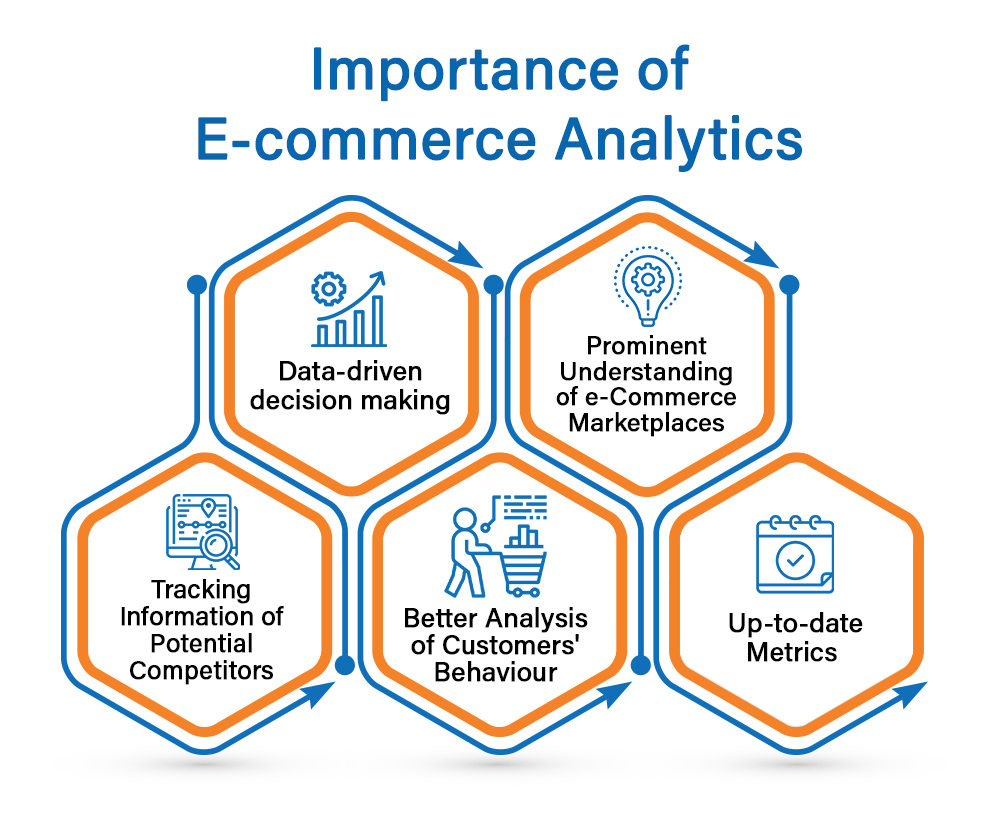
Every transaction generates data. When organized properly, this data becomes a powerful decision-making tool.
With a strong digital finance plan, businesses can:
-
Monitor profit margins accurately
-
Track marketing return on investment
-
Forecast revenue and expenses
-
Identify financial risks early
Data-driven finance turns intuition into strategy.
e-commerce company
Budgeting and Cost Management
A profitable e business understands where money is spent and why. Digital budgeting tools help control costs without slowing growth.
Key expense areas to manage include:
-
Advertising and customer acquisition
-
Technology and platform fees
-
Shipping and logistics
-
Operational and staffing costs
Clear budgeting prevents overspending and improves profitability.
Easier Access to Capital and Financing
Digital finance planning also improves access to funding. Many lenders and platforms evaluate financial health using real-time data.
E-commerce businesses benefit from:
-
Faster financing approvals
-
Revenue-based funding options
-
Performance-driven credit limits
-
Reduced dependence on traditional banks
This flexibility supports faster and safer expansion.
Risk Management and Financial Security
Security is a major concern for every e-commerce company. Financial risks include fraud, chargebacks, and compliance failures.
A strong digital finance plan includes:
-
Fraud detection systems
-
Secure payment gateways
-
Regular financial audits
-
Compliance with financial regulations
Protecting revenue and customer data builds trust and long-term stability.
Supporting Sustainable Business Growth
Growth without financial planning often leads to instability. A digital finance plan ensures growth is sustainable and controlled.
It helps businesses:
-
Scale operations responsibly
-
Maintain liquidity during expansion
-
Invest in automation and tools
-
Avoid over-reliance on debt
Financial readiness allows businesses to grow with confidence.
Common Mistakes E-Commerce Companies Make
Many online businesses fail due to weak financial planning.
Common mistakes include:
-
Ignoring cash flow warnings
-
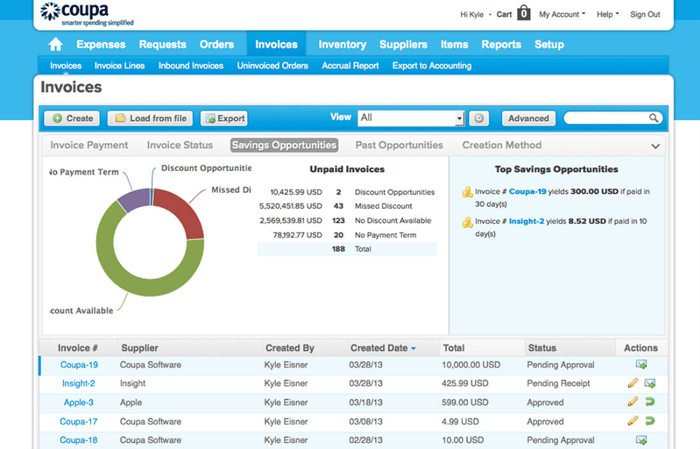
Relying on manual financial tracking
-
Overspending on ads without ROI analysis
-
Delaying financial reporting
e-commerce company
A structured digital finance plan helps avoid these issues early.
Conclusion
Every e-commerce company needs a strong digital finance plan to survive and thrive in today’s digital economy. From cash flow and payments to data-driven insights and risk management, finance plays a central role in success.
Businesses that prioritize financial planning gain better control, stronger growth potential, and long-term stability. In modern e-commerce, digital finance is not optional—it is essential.