Success in e-commerce is no longer just about having a good product. In today’s competitive market, e-commerce marketing strategies determine whether an online business grows profitably or struggles to survive. With thousands of online stores competing for attention, businesses must market smarter, not louder.
Effective e-commerce marketing focuses on attracting the right audience, building trust, and converting visitors into loyal customers. When done correctly, marketing becomes a long-term profit engine rather than a recurring expense.
Understanding the Role of Marketing in E-Commerce Growth
An online store without a clear marketing strategy often relies on luck. Profitable e commerce businesses use structured marketing systems that guide customers from discovery to purchase.
Strong marketing helps businesses:
-
Increase brand visibility
-
Build customer trust
-
Improve conversion rates
-
Maximize customer lifetime value
Marketing is not separate from sales—it directly supports revenue growth.
Search Engine Optimization for Long-Term Profitability
Search engine optimization (SEO) is one of the most sustainable e commerce marketing strategies. Unlike paid ads, SEO continues to deliver traffic over time.
Key SEO practices include:
-
Optimizing product and category pages
-
Using keyword-focused content
-
Improving site speed and mobile usability
-
Earning quality backlinks
SEO-driven traffic often converts better because users are actively searching for solutions.
Content Marketing That Builds Trust and Authority
Content marketing plays a major role in educating and influencing buyers. Blogs, guides, and videos help customers make informed decisions.
Effective content marketing:
-
Answers customer questions
-
Positions the brand as an expert
-
Supports SEO performance
-
Builds long-term audience engagement
Profitable online businesses focus on value-driven content rather than promotional messaging alone.
e-commerce marketing strategies
Email Marketing for Repeat Sales
Email marketing remains one of the highest ROI online business marketing channels. It allows businesses to communicate directly with interested customers.
Successful email strategies include:
-
Welcome email sequences
-
Abandoned cart reminders
-
Personalized product recommendations
-
Post-purchase follow-ups
Email marketing turns one-time buyers into repeat customers, increasing overall profitability.
Paid Advertising With a Profit-First Approach
Paid advertising can drive fast results, but only when managed carefully. Profitable e-commerce marketing strategies focus on return on ad spend, not just traffic volume.
Popular paid channels include:
-
Search engine ads
-
Social media advertising
-
Retargeting campaigns
-
Marketplace ads
Tracking performance and optimizing campaigns ensures ads contribute to profit rather than losses.
Social Media Marketing for Brand Growth
Social media is essential for building brand presence and customer relationships. It supports both organic and paid marketing efforts.
Benefits of social media marketing include:
-
Increased brand awareness
-
Direct customer interaction
-
Community building
-
Support for product launches
Consistent and authentic engagement matters more than posting frequently.
Conversion Rate Optimization (CRO)
Driving traffic alone does not guarantee profitability. Conversion rate optimization ensures that visitors take action.
Key CRO elements include:
-
Clear product descriptions
-
High-quality visuals
-
Trust signals and reviews
-
Simple checkout processes
Small improvements in conversion rates can significantly increase revenue without additional traffic costs.
Data-Driven Marketing Decisions
Modern e-commerce marketing relies heavily on data. Tracking performance allows businesses to refine strategies and reduce waste.
Important metrics include:
-
Customer acquisition cost
-
Conversion rate
-
Average order value
-
Customer lifetime value
Data-driven decisions lead to smarter spending and higher profit margins.
Influencer and Partnership Marketing
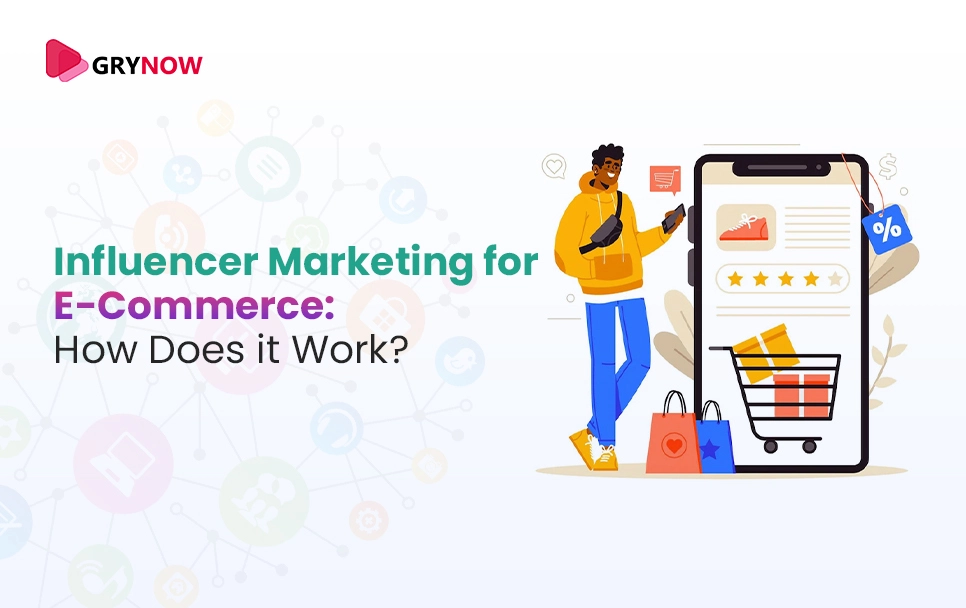
Influencer marketing helps businesses reach targeted audiences through trusted voices. When aligned correctly, it can drive both sales and brand credibility.
Successful partnerships focus on:
-
Audience relevance
-
Authentic promotion
-
Performance-based collaboration
-
Long-term relationships
Trust-based marketing often converts better than traditional ads.
Avoiding Common E-Commerce Marketing Mistakes
Many online businesses lose money due to avoidable errors.
Common mistakes include:
-
Relying on a single traffic source
-
Ignoring customer retention
-
Overspending on ads without tracking
-
Lack of consistent branding
e-commerce marketing strategies
Balanced marketing strategies reduce risk and improve stability.
Conclusion
Profitable online businesses are built on smart, consistent, and data-driven e-commerce marketing strategies. From SEO and content marketing to paid ads and email campaigns, each channel plays a role in sustainable growth.
Businesses that focus on long-term value, customer trust, and performance tracking are better positioned to succeed in the evolving digital marketplace. Marketing done right is not a cost—it is an investment in profitability.